Wildfire
-
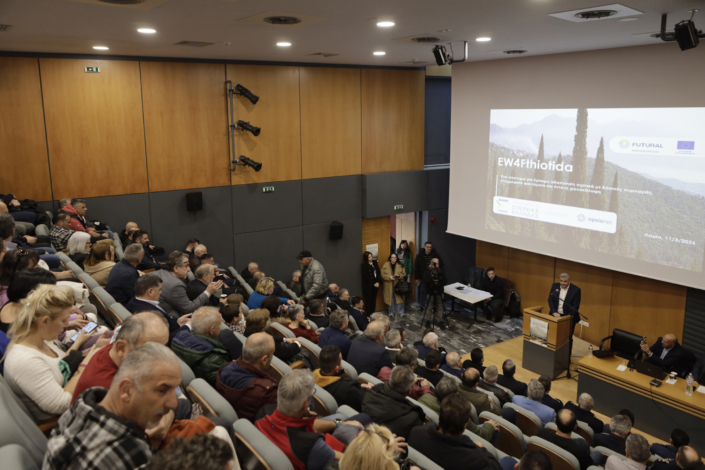
EW4Fthiotida: Smart Technology for Monitoring and Timely Response
Fthiotida is one of the five regional units of Central Greece. It includes seven municipalities and approximately 200 villages and small communities. Its geography combines mountains, rivers, fertile plains, forests and coastal areas. Its rural economy depends substantially on agriculture and livestock farming. This varied landscape creates exposure…
-
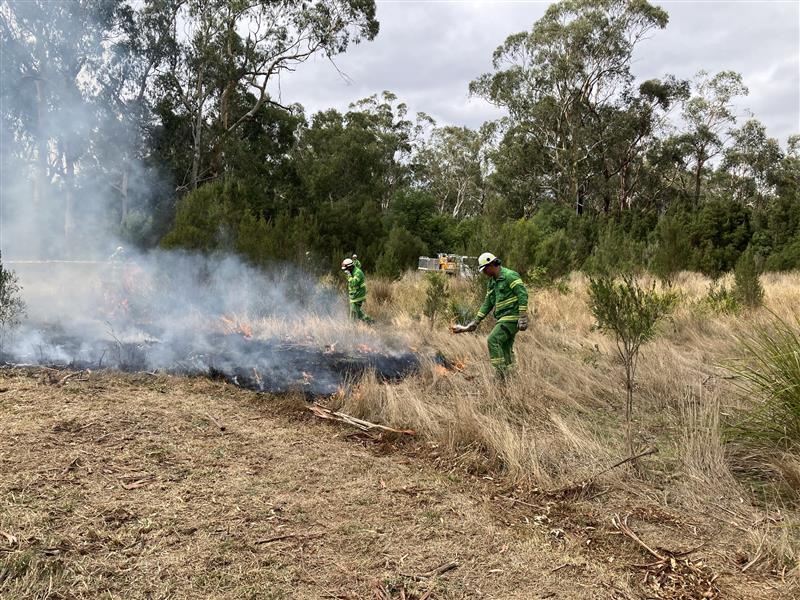
Increasing the delivery of Cultural Fire
Victoria is one of the most bushfire-prone regions in the world, and reducing fuel loads on public and private land is central to protecting life, property and the natural environment from bushfire. For tens of thousands of years, Aboriginal peoples in Victoria managed fire-prone land through cultural burning,…
-
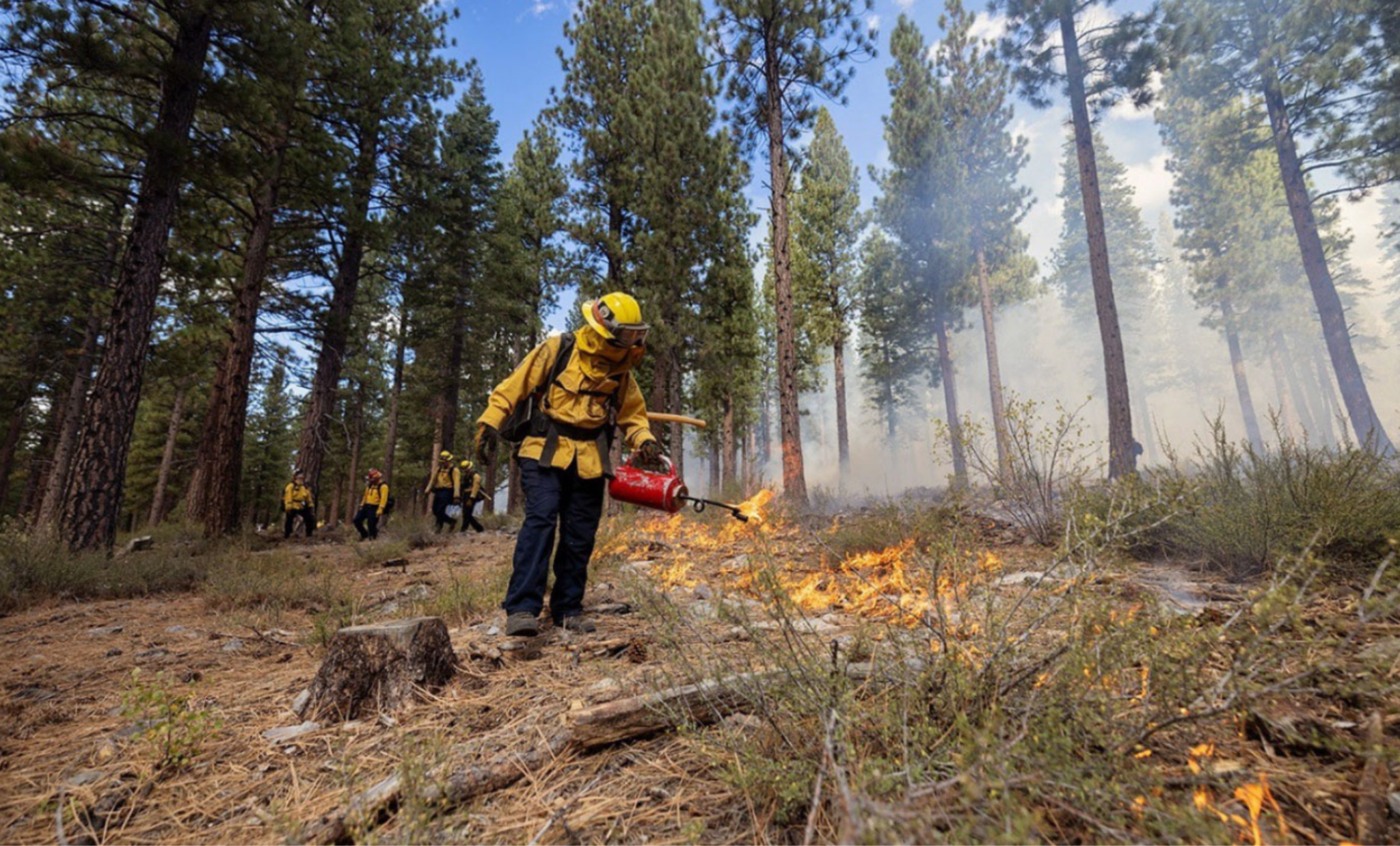
Building Agreements to Streamline Wildfire Management Across Jurisdictions and Land Ownership
California is strengthening collaboration with state, local and tribal governments in carrying out fuel reduction projects on federal lands. Under Action 1.4 of California’s Wildfire and Forest Resilience Action Plan (January 2021), the US Forest Service (USFS) committed to expand its use of Good Neighbor Authority…
-
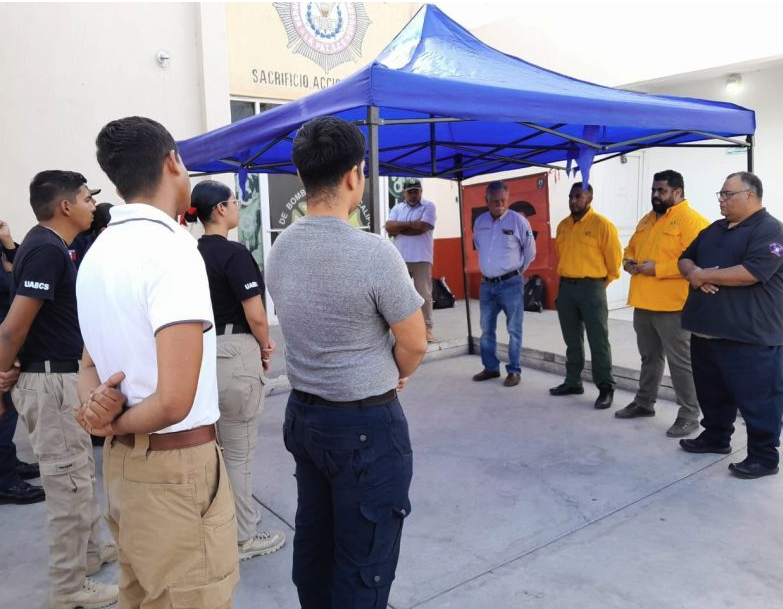
Programa Estatal para el Manejo de Fuego (State Forest Fire Prevention and Management Programme)
The Programa Estatal para el Manejo de Fuego is Baja California Sur’s (BCS) primary governance instrument for forest fire prevention, preparedness, and response. It is structured around annual seasonal activation (the fire season in BCS runs from March to August) and operates through a multi-agency coordination…
-
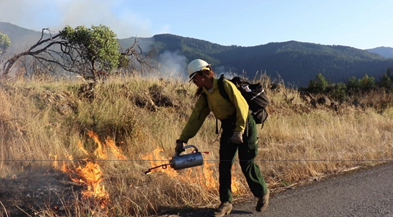
SB 310 Cultural Fire Agreements
Fuel accumulation, driven by over a century of fire suppression policy, has created landscapes that burn at higher intensity than at any point in the historical record. Climate change is compounding this through drought, heat, and shifting wind patterns that extend fire season and enable larger,…
-
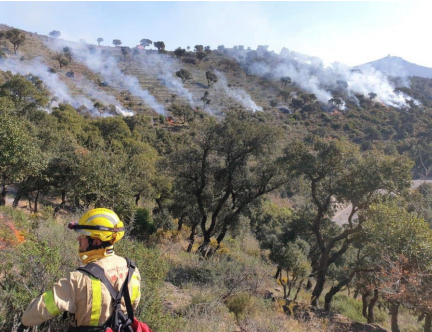
Integrated Prescribed Burning and Strategic Management Points (PEGs) Model
Catalonia’s wildfire resilience strategy combines landscape-scale fuel management with tactical fire suppression capabilities. It is based on two core pillars:
-
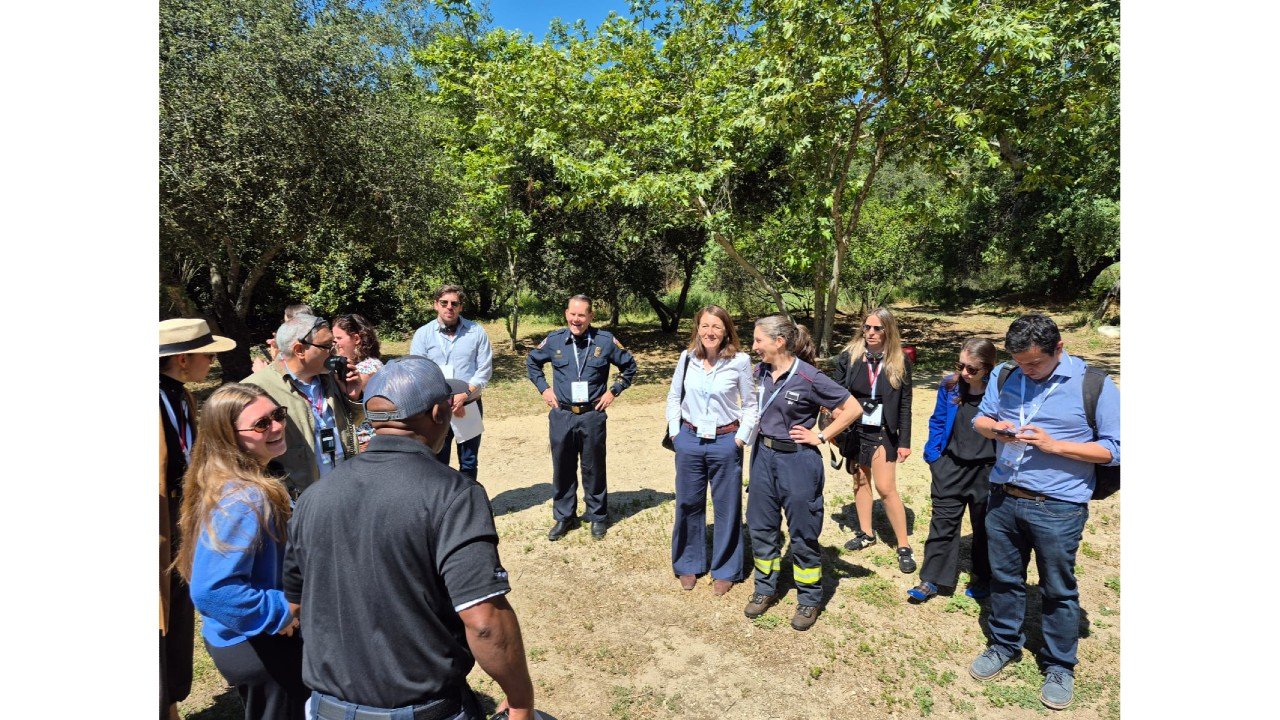
Catalonia: extreme heat and sustainable forest projects
Two announced MCAP projects addressing extreme-heat response and sustainable forest management through climate credits.
-
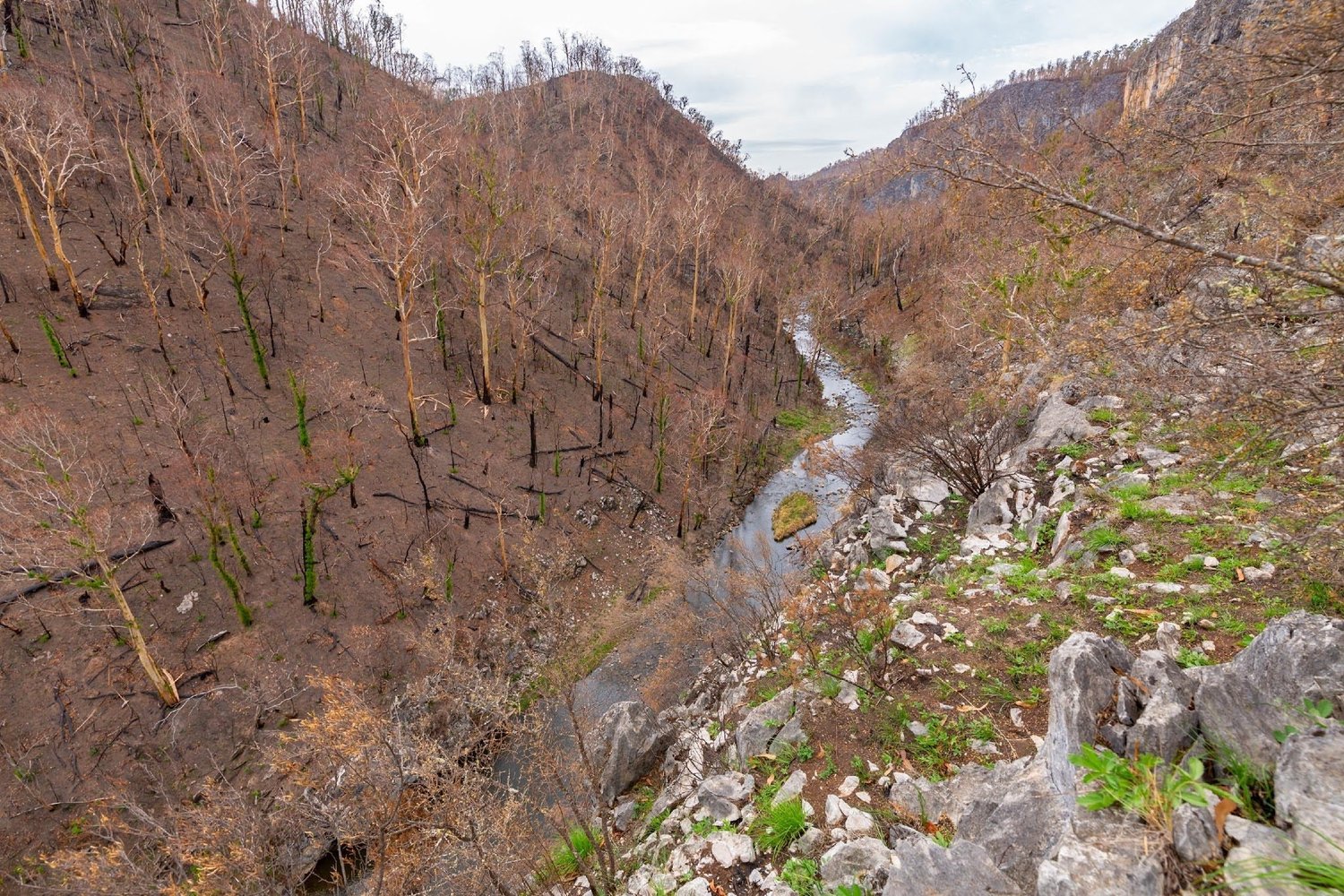
Protected: Demonstration: Coordinated wildfire fuel management
There is no excerpt because this is a protected post.