Short solutions
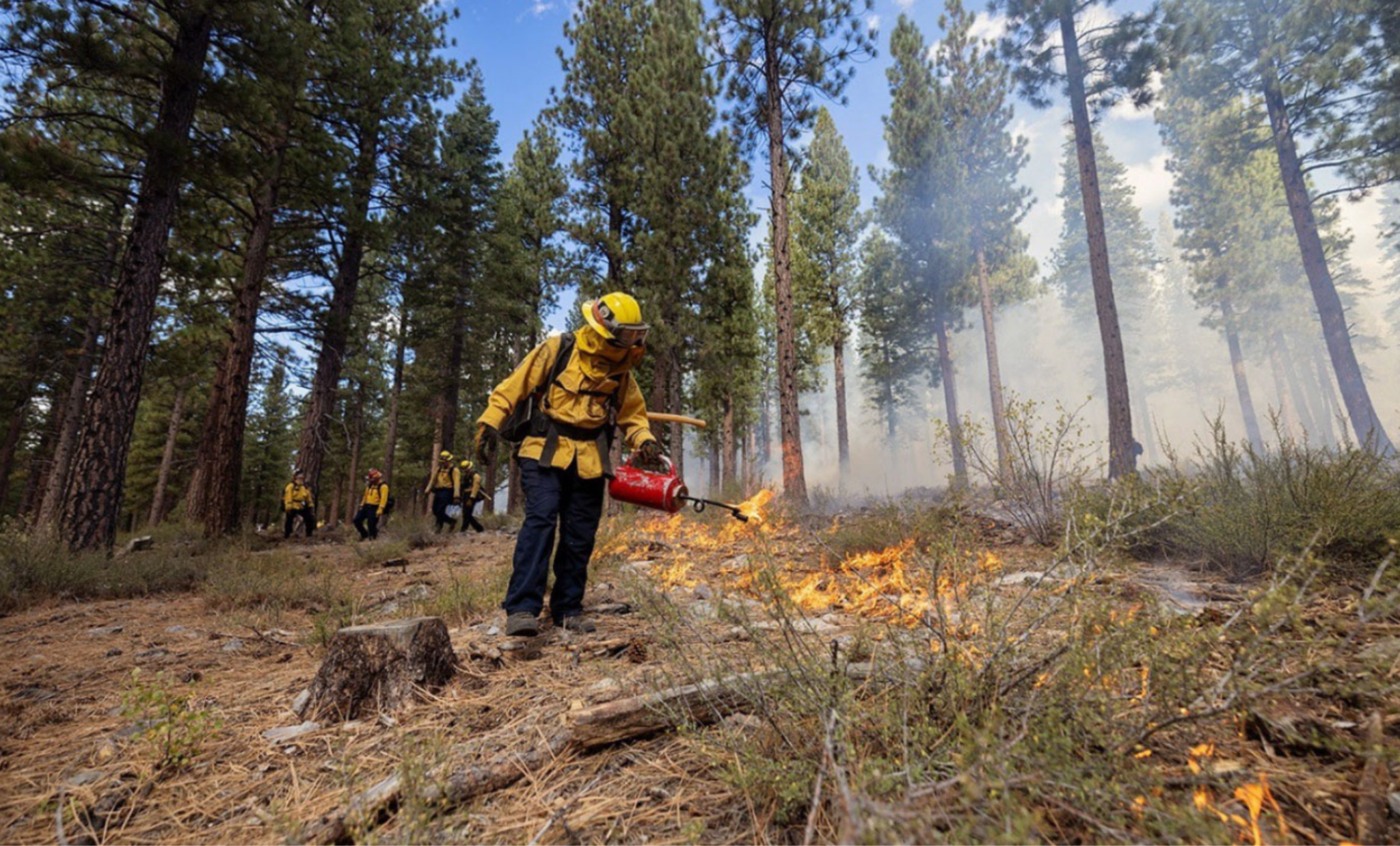
Building Agreements to Streamline Wildfire Management Across Jurisdictions and Land Ownership
California is strengthening collaboration with state, local and tribal governments in carrying out fuel reduction projects on federal lands. Under Action 1.4 of California’s Wildfire and Forest Resilience Action Plan (January 2021), the US Forest Service (USFS) committed to expand its use of Good Neighbor Authority…
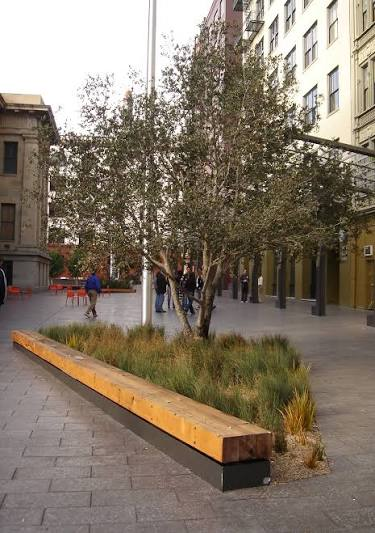
Driving Integrated Water Management (IWM) Through Land Use Planning
The State of Victoria is harnessing Integrated Water Management (IWM), a holistic and collaborative framework to sustainably manage water resources. The IWM approach brings together government, water authorities and communities to ensure a secure and climate-resilient water future. IWM promotes a water-sensitive approach to urban development.…
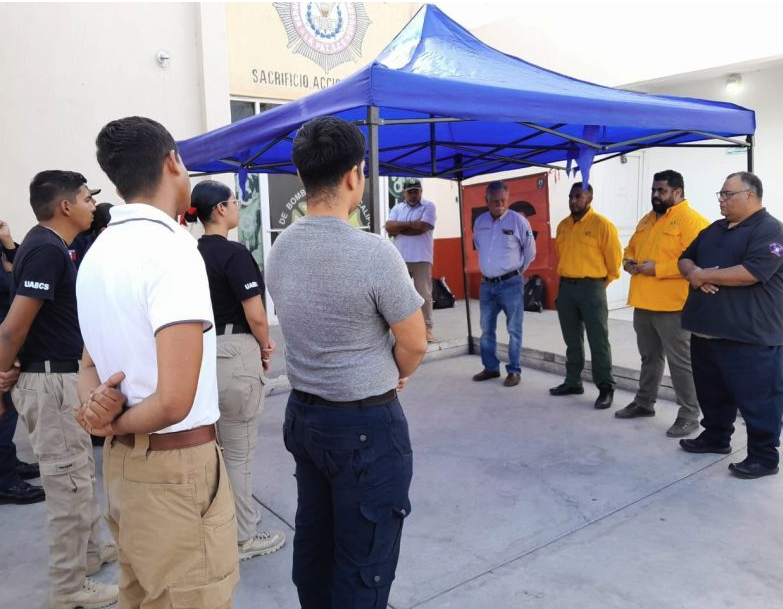
Programa Estatal para el Manejo de Fuego (State Forest Fire Prevention and Management Programme)
The Programa Estatal para el Manejo de Fuego is Baja California Sur’s (BCS) primary governance instrument for forest fire prevention, preparedness, and response. It is structured around annual seasonal activation (the fire season in BCS runs from March to August) and operates through a multi-agency coordination…
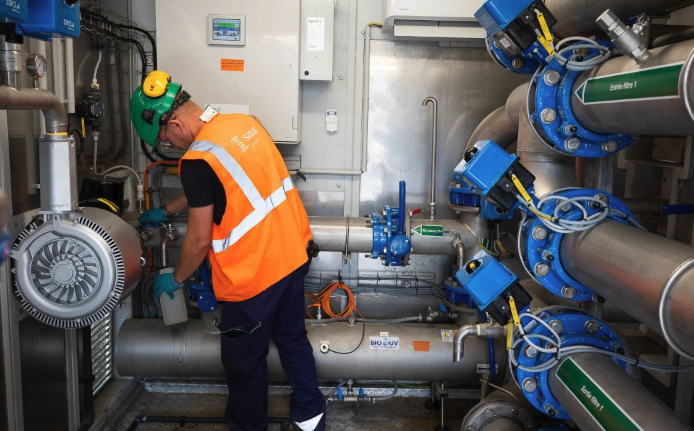
Réutilisation des Eaux Usées Traitées (REUT) Treated Wastewater Reuse for Agricultural Irrigation
Région Occitanie has made treated wastewater reuse (Réutilisation des Eaux Usées Traitées, REUT) a central pillar of its water policy, with the aim of becoming France’s leading region for water reuse.
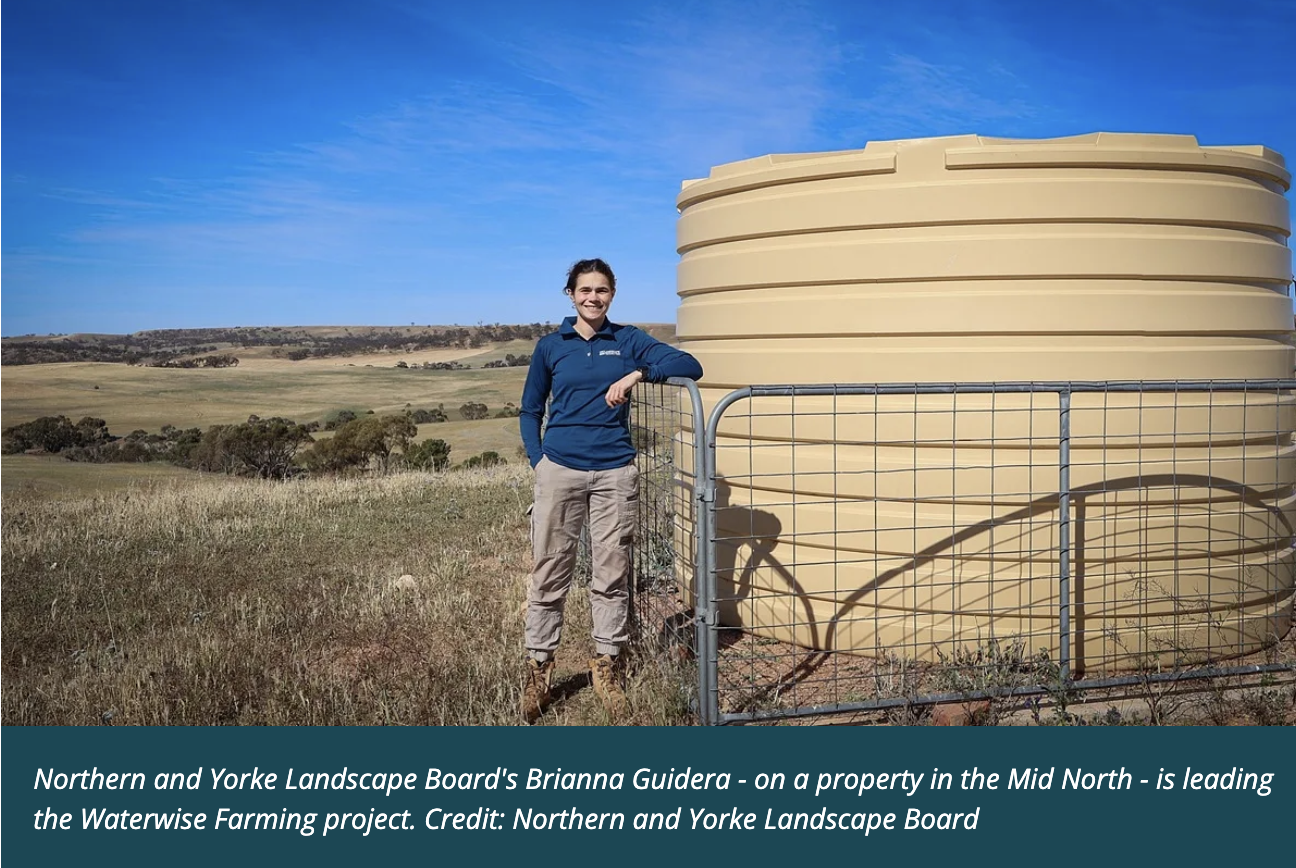
Climate Resilient Landscapes: Regional Landscape Boards
Climate Resilient Landscapes is a coordinated climate resilience project designed collectively by South Australia’s eight regional landscape boards and funded through the state’s Landscape Priorities Fund (LPF). Awarded in October 2025, it comprises eight regionally tailored sub-projects, one per board, each addressing locally specific drought and…
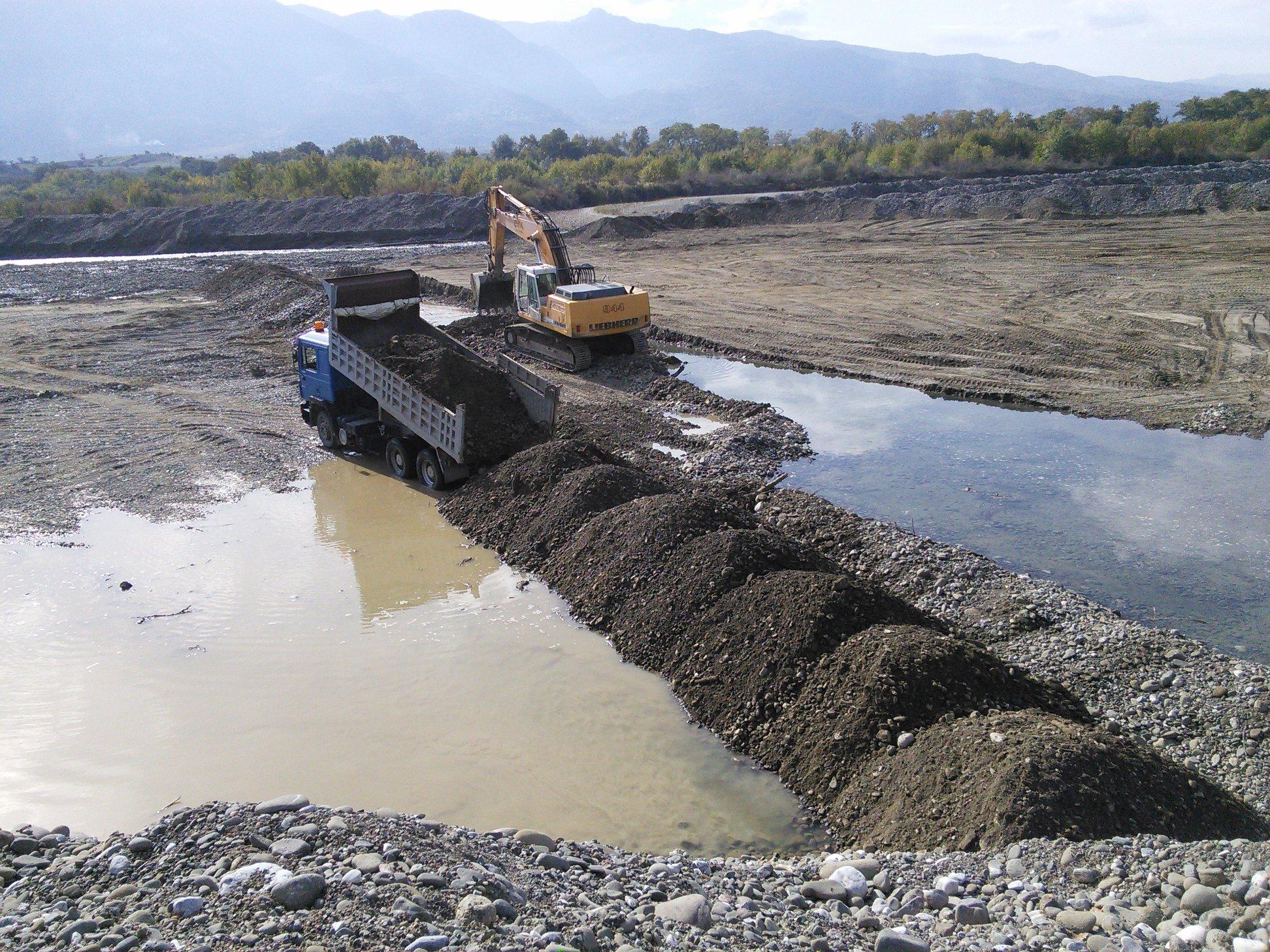
Spercheios River Nature-Based Solutions Open-Air Laboratory (OPERANDUM)
The Region of Central Greece, participating in the EU-funded Horizon2020 OPERANDUM project, utilized the Spercheios River Basin as an “Open-Air Laboratory” to find a solution for the flooding the region experiences due to heavy rainfall and snowmelt between October and May, as well as the water…
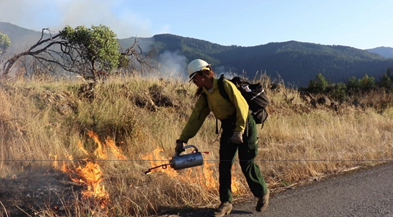
SB 310 Cultural Fire Agreements
Fuel accumulation, driven by over a century of fire suppression policy, has created landscapes that burn at higher intensity than at any point in the historical record. Climate change is compounding this through drought, heat, and shifting wind patterns that extend fire season and enable larger,…
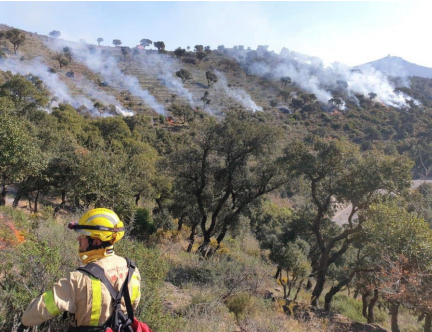
Integrated Prescribed Burning and Strategic Management Points (PEGs) Model
Catalonia’s wildfire resilience strategy combines landscape-scale fuel management with tactical fire suppression capabilities. It is based on two core pillars:
Adapting National Plans to Regional Frameworks for Local Implementation
Morocco’s National Sustainable Development Strategy (Stratégie Nationale de Développement Durable, SNDD), adopted in 2017, provides the overarching framework guiding national and regional efforts to accelerate the country’s transition towards a green and inclusive economy by 2030. It is structured around seven priority issues, 31 strategic axes…
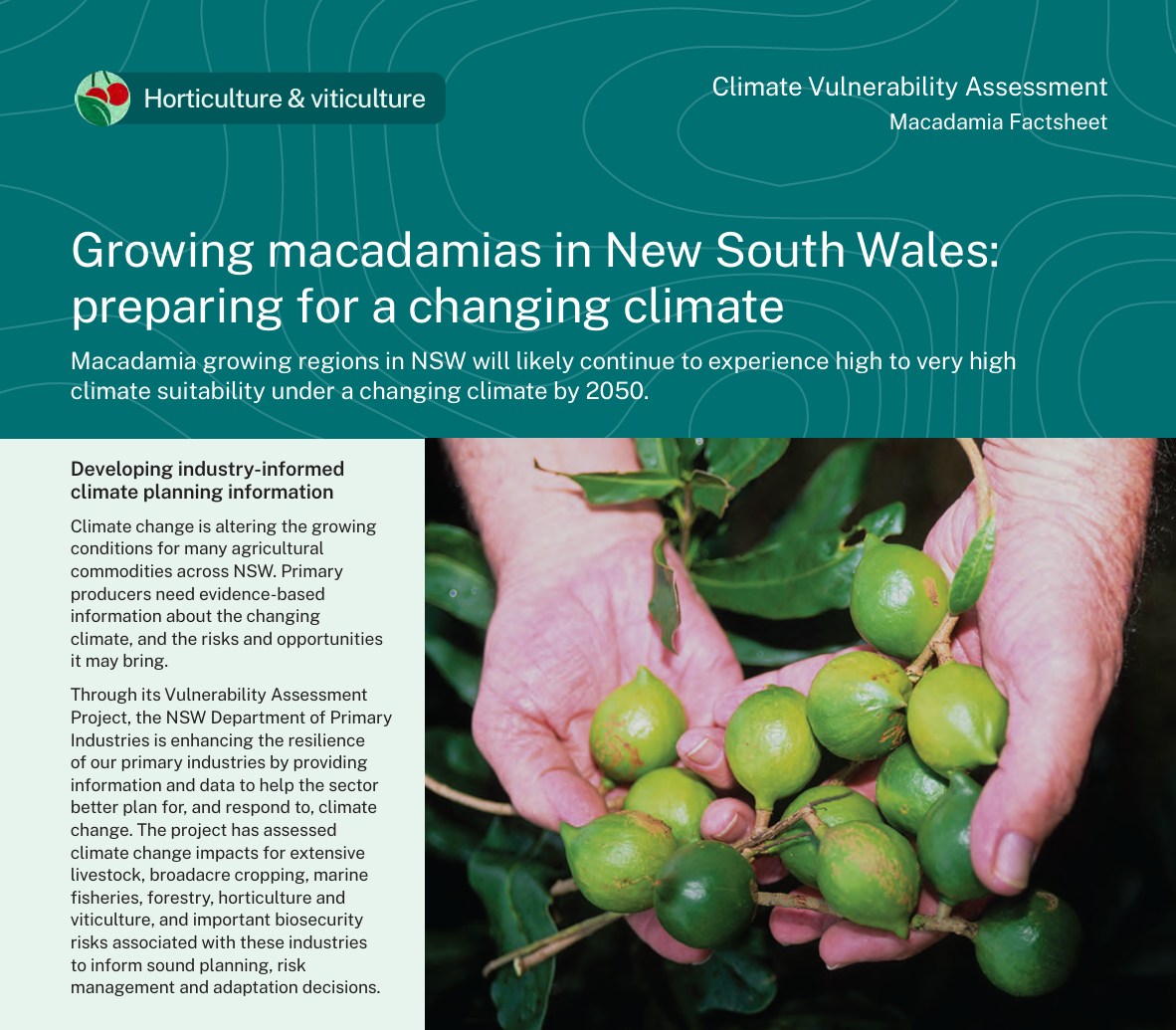
Translating Climate Science into Action for Primary Industries
Translating Climate Science into Action for Primary Industries is a New South Wales Government action that strengthens the capacity of the state’s agriculture, fisheries, and forestry to understand and adapt to a changing climate. These sectors are central to the state’s regional communities, cultural identity, food…