Solutions
-
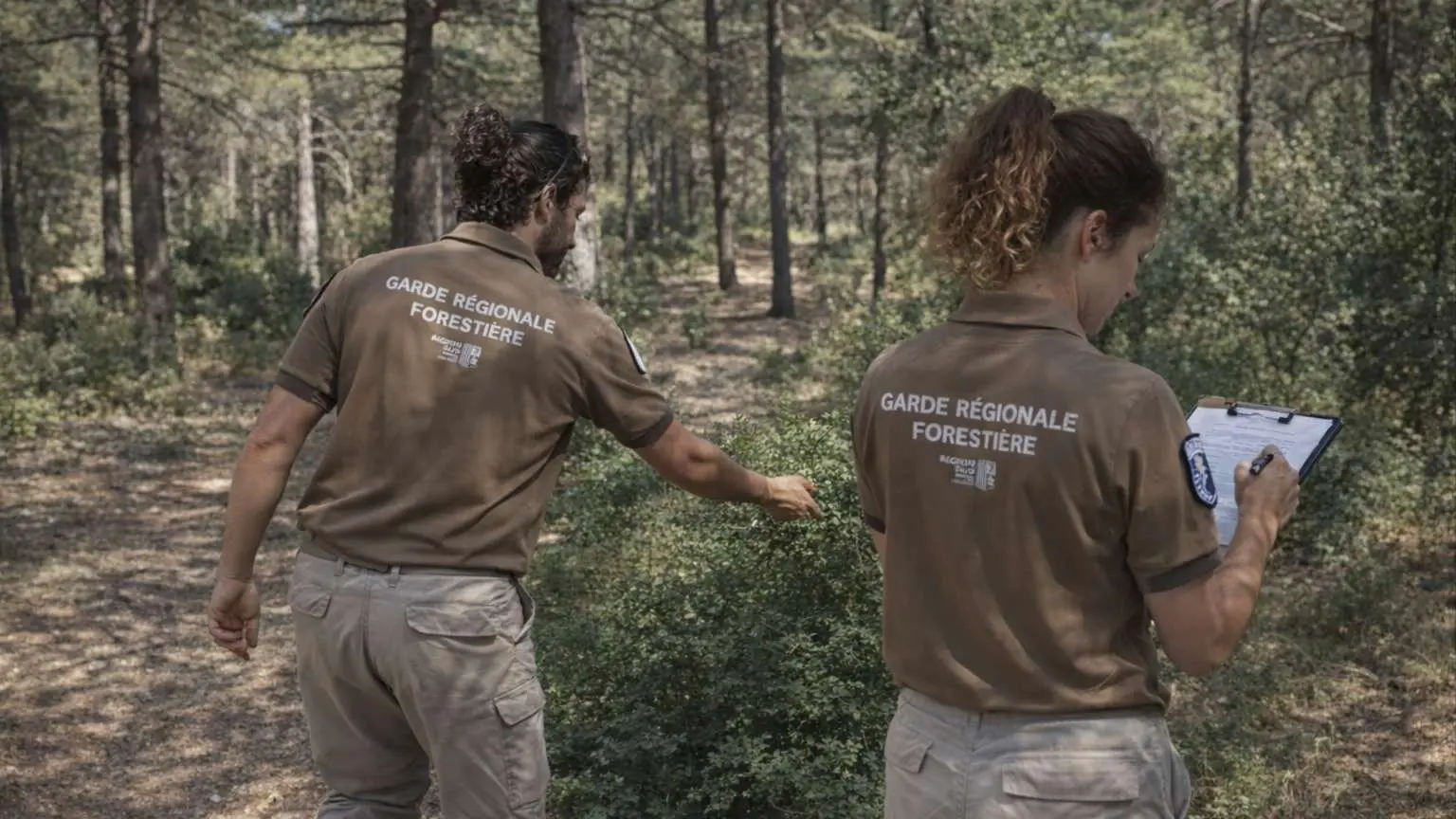
Garde Régionale Forestière: A Seasonal Youth Corps for Wildfire Prevention and Public Awareness
Region Sud, also known as the Provence-Alpes-Côte d’Azur Region holds 1.6 million hectares of forest, two-thirds of it in fragmented private ownership, and faces intrinsic wildfire risk from its Mediterranean climate. Wildfire prevention in the region depends on year-round public compliance with access restrictions and debroussaillement – mandatory vegetation clearance, which requires sustained on-the-ground presence…
-
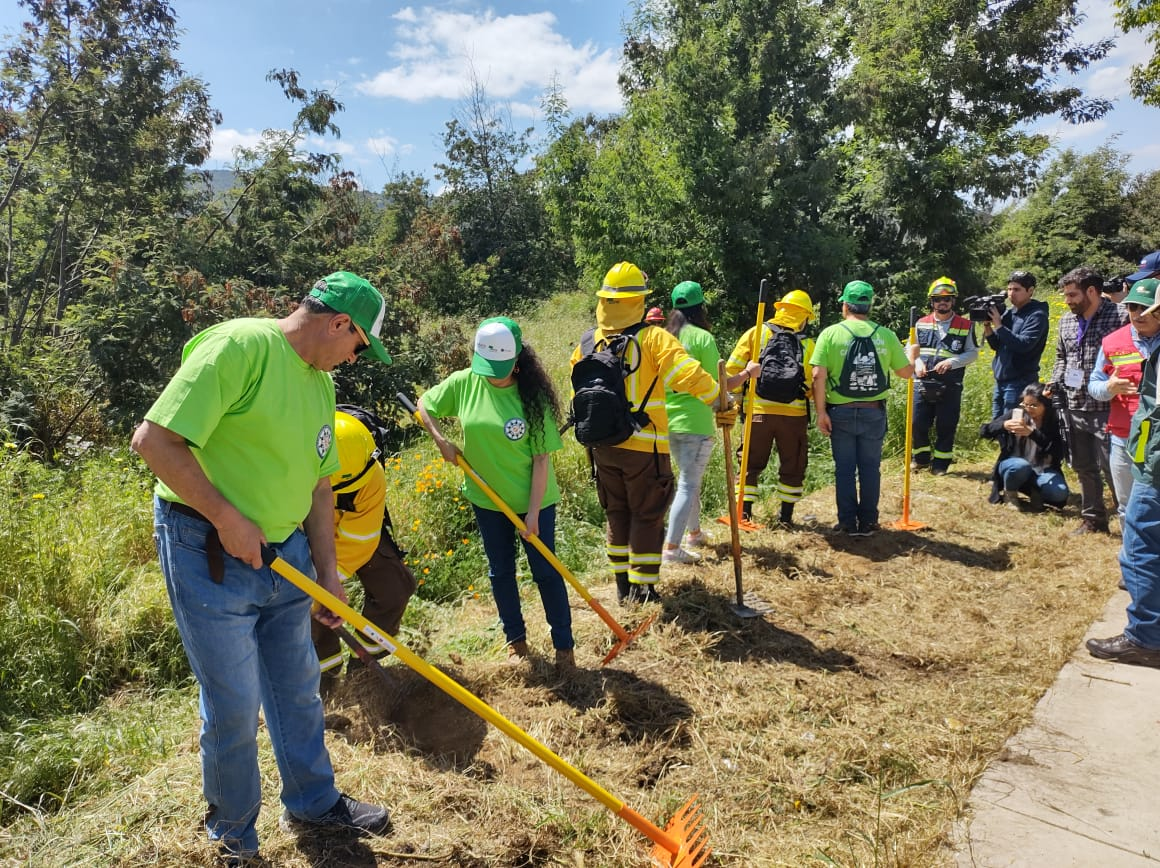
Comunidades Preparadas: Community-Based Wildfire Prevention Through Integrated Landscape Management
As wildfire risk increases across Mediterranean climates, regional & national governments and firefighting agencies need significant capacity in forest and ecosystem management to prevent and manage the severity of wildfires.
-
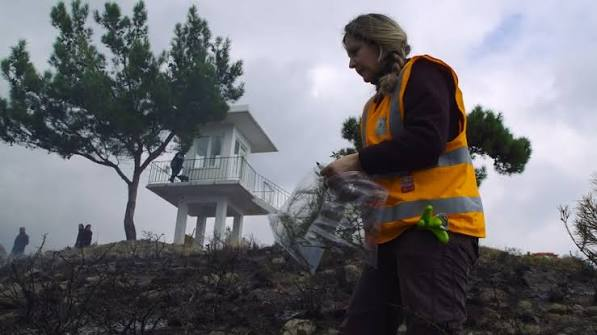
Nature-Based Flood and Wildfire Risk Reduction in the Lelantine Plain (NATALIE Project)
The Lelantine Plain, located on the island of Evia in the Region of Central Greece, is exposed to recurrent flooding and wildfires. These hazards can interact and amplify their impacts: wildfires remove vegetation, reduce the soil’s capacity to retain water and increase surface runoff and erosion during subsequent rainfall events. At the same time, modifications…
-
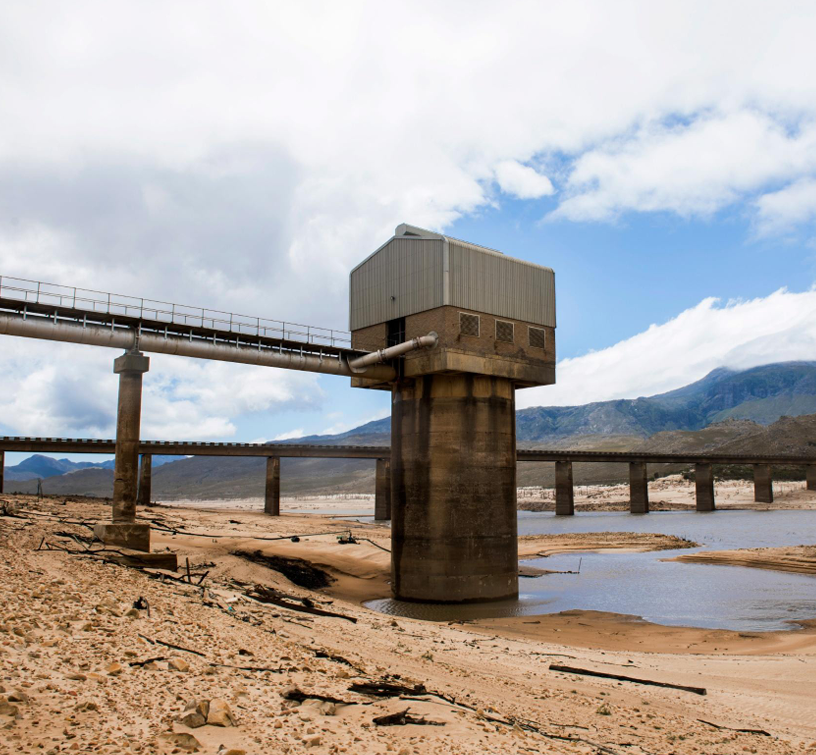
Western Cape Water Resilience Strategy
Water resources in Mediterranean Climate regions are under pressure as supply becomes less predictable, and drier futures are projected. The systems which govern water in Mediterranean regions are complex and must account for a range of users and organisations involved in water management, including national and local levels of government, water utilities, catchment management authorities…
-
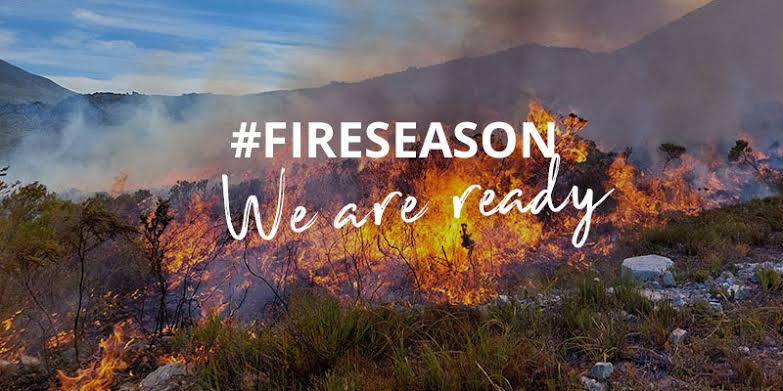
Fire Protection Associations (FPAs)
Fire Protection Associations (FPAs) are voluntary organisations formed by landowners in wildfire-risk areas to prevent, predict, manage, and assist with the extinguishing of wildfires under the National Veld and Forest Fire Act (Act 101 of 1998). FPAs are co-operative structures established between local authorities, the state, private landowners, and their lessees in areas of high…
-
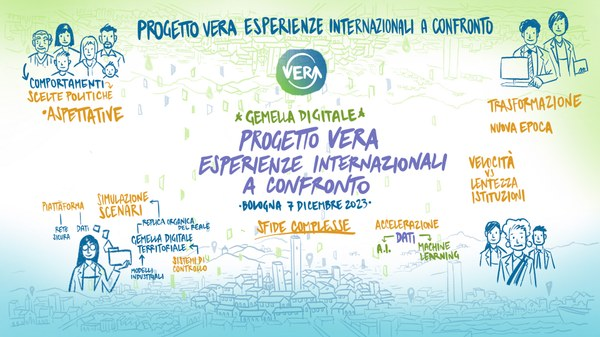
Emilia-Romagna’s Forest Digital Twin
The Forest Digital Twin is a regional-scale modelling tool, developed by the Emilia-Romagna Region and Arpae (Agenzia regionale per la prevenzione, l’ambiente e l’energia dell’Emilia-Romagna), the regional agency for prevention, environment and energy. It assesses forest surface dynamics and how they evolve over time. The tool is the…
-
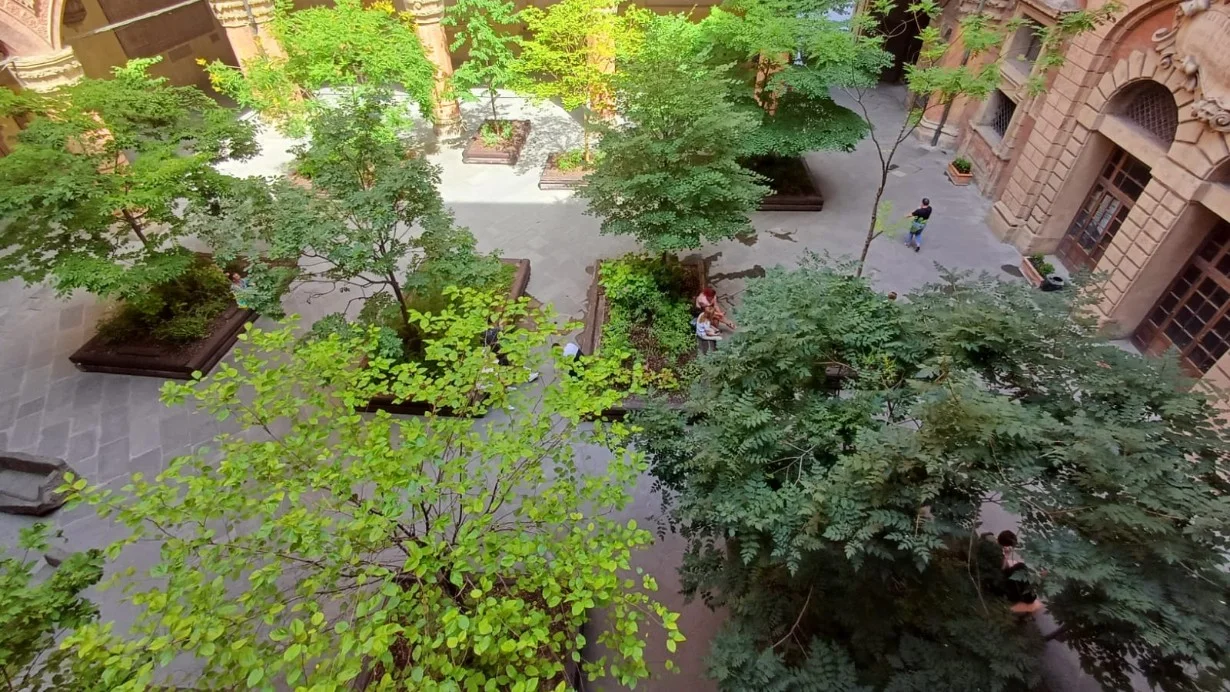
Climate Oasis Program
In recent years, Emilia-Romagna has experienced an unprecedented rise in extreme heatwaves during the summer months. According to data from the regional environmental agency Arpae Emilia-Romagna, summer temperatures have consistently shattered historical averages, heavily impacting the Po Valley plains and major urban centers like Bologna, Modena, and Parma.
-
Regional Drought Monitoring Map and Water Withdrawal Regulation Portal
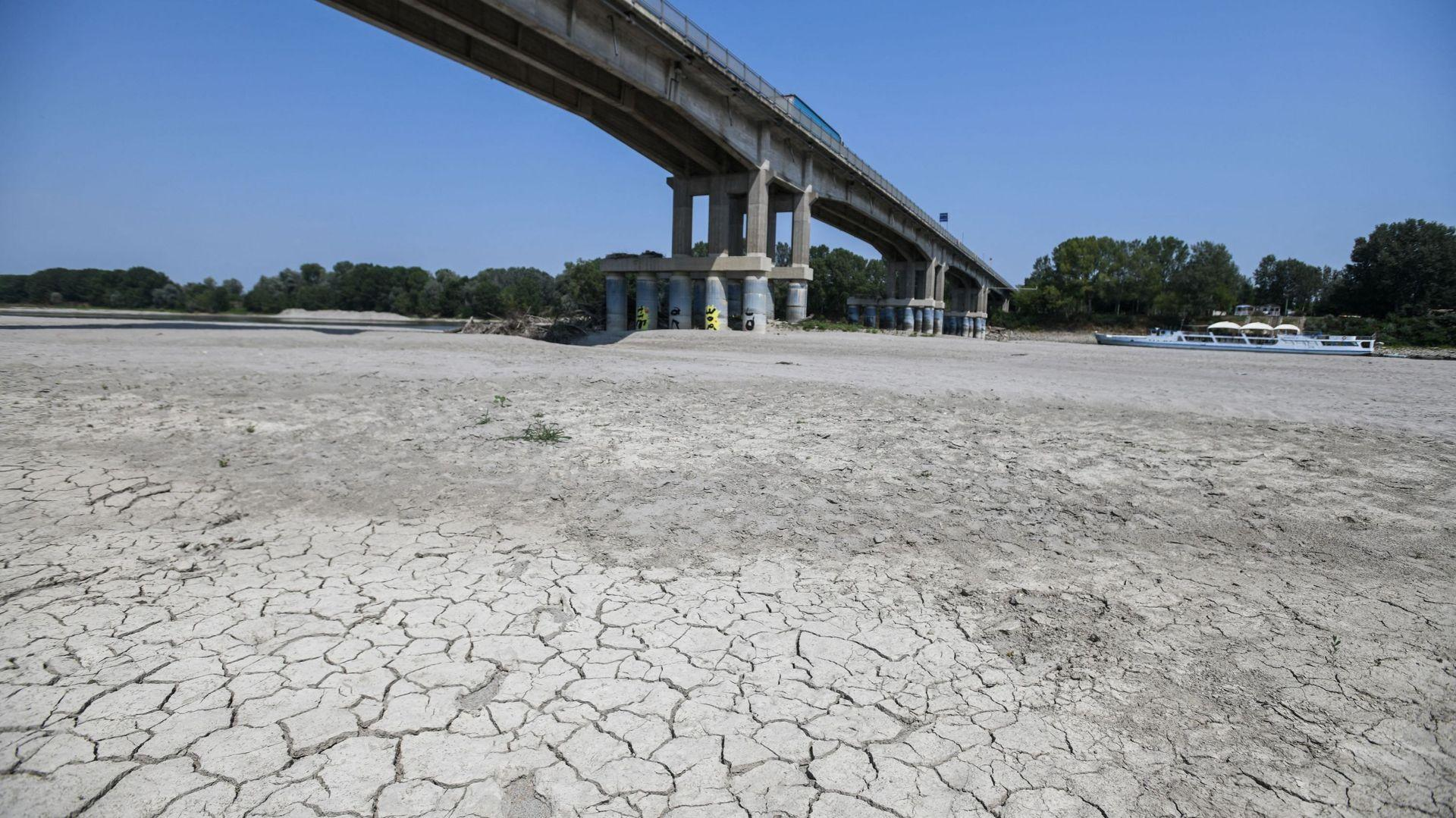
Emilia-Romagna’s water cycle is under measurable strain: planning documents for the region’s new water protection plan (Piano di Tutela delle Acque, PTA 2030) cite a 12% rainfall decline over 80 years alongside a 1.3°C rise in average temperature. The region also swings between extremes — severe drought in…
-
Programa Brotar
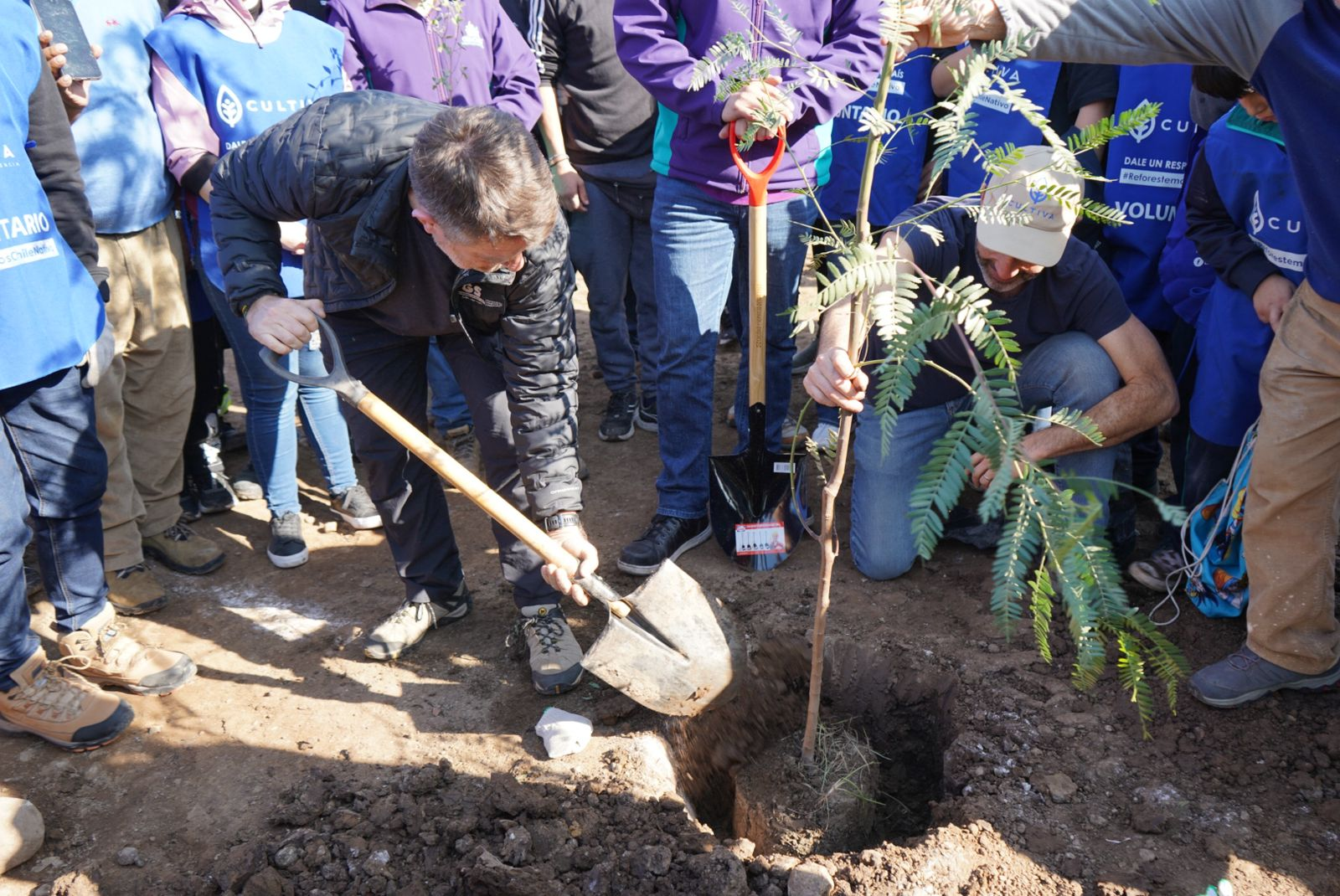
Extreme heat is a primary climate risk for the Santiago Metropolitan Region (Región Metropolitana de Santiago), the regional jurisdiction of 52 communes that contains Chile’s capital. The Regional Climate Change Action Plan (Plan de Acción Regional de Cambio Climático), approved by the Metropolitan Regional Government of Santiago in…
-
Seawater and Brackish Water Desalination Plants
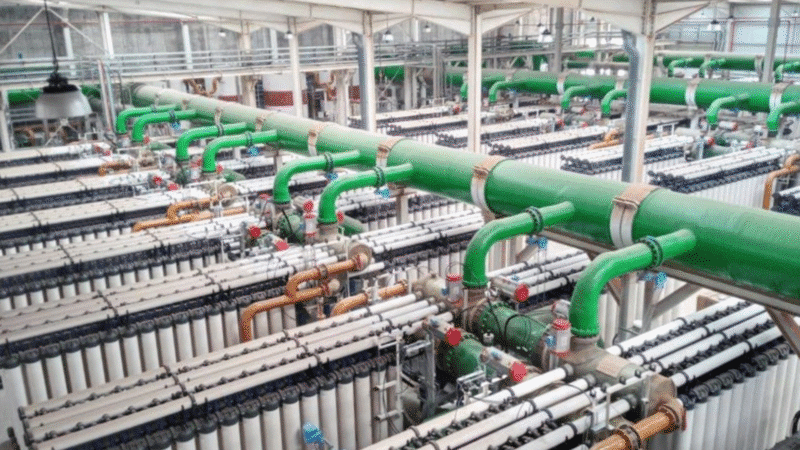
This action responds to drinking water supply pressure across the provinces of the Oriental region, within a national context of severe water scarcity and prolonged drought. Water scarcity constrains Morocco’s economy. National water availability fell from about 2,560 m³ to about 620 m³ per person per year between…